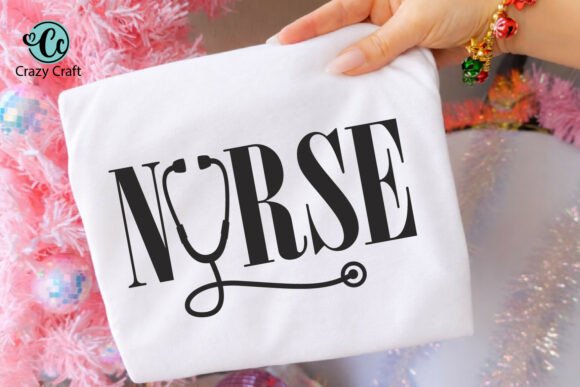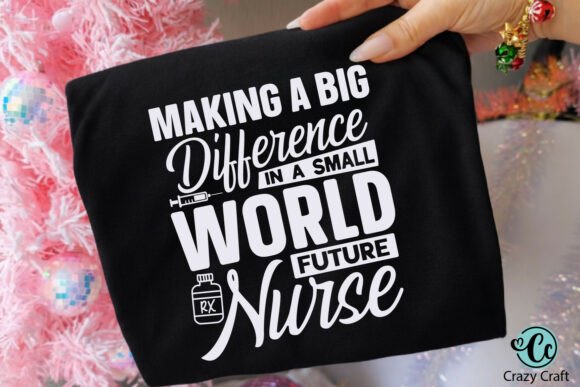
Making a Big Difference SVG, Nurse SVG
As someone who’s digitized, stitched, and sold hundreds of nurse-themed embroidery files—from ICU-inspired motifs to subtle stethoscope silhouettes—I approached Making a Big Difference SVG, Nurse SVG with quiet curiosity, not hype. I wasn’t looking for another “cute RN” clipart knockoff. I wanted to know: does this design hold up when translated into thread? Does it feel authentic in the hand—and on the garment? So I loaded it into my embroidery software, pulled out a linen tea towel and a soft cotton sweatshirt, and started testing.
First Impression: Warm, Clear, and Purposefully Uncluttered
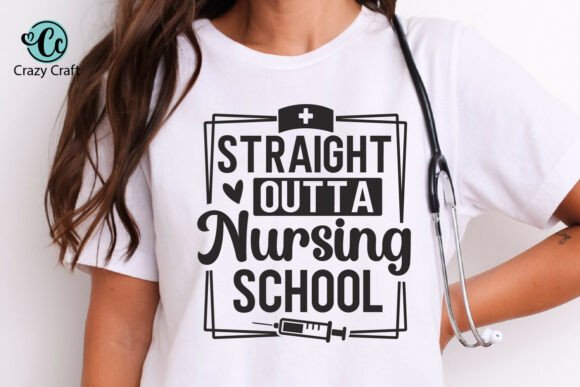
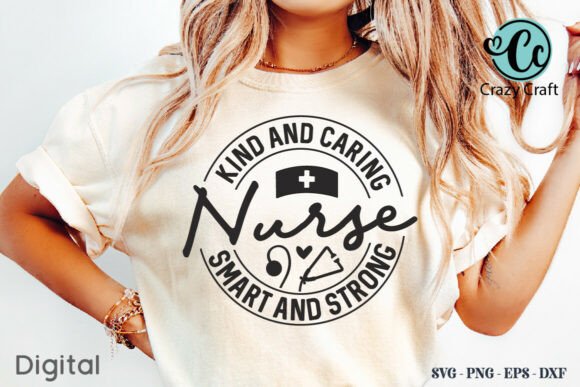
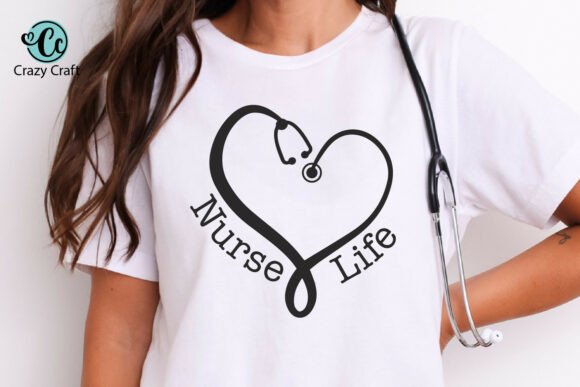
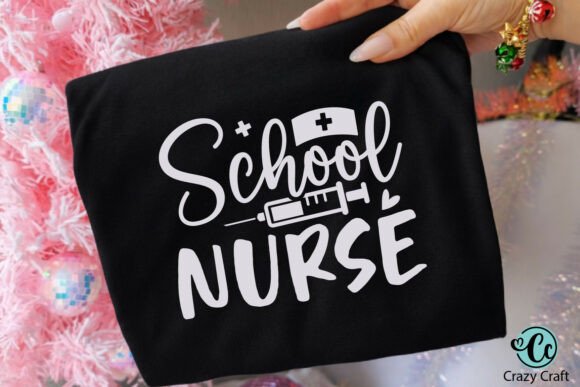
The design opens clean—no overlapping layers, no unnecessary flourishes. It centers on bold, legible lettering (“Making a Big Difference”) paired with a simplified but recognizable nurse icon: a stylized cap and cross, balanced beside the text. There’s no cartoonish grin or exaggerated heart motif. Instead, it leans into quiet dignity—soft curves, open spacing, and generous letter height. That tells me it’s built for readability at medium sizes (3–4 inches wide), not micro-embroidery or tiny patches.
I immediately pictured it on a heavyweight canvas tote for a hospital gift shop—stitched in navy thread on natural canvas. Or on a relaxed-fit crewneck sweatshirt for nursing students: simple, proud, unpretentious. It doesn’t shout. It resonates.
Where It Shines: Real Projects, Real Fabric
Making a Big Difference SVG, Nurse SVG works especially well for custom apparel where clarity and emotional resonance matter more than trend-chasing. On a lightweight cotton t-shirt? Yes—but only with proper tear-away stabilizer and a mid-weight cutaway underneath if the fabric is thin or prone to stretching. On a structured apron or kitchen towel? Excellent. The letter spacing holds up beautifully in satin stitch, and the icon translates cleanly in fill stitch without bleeding or distortion.
I stitched it onto a baby onesie (size 3–6 months) using a 3.5-inch hoop and 40-weight poly thread. The result was crisp, gentle, and age-appropriate—no sharp edges or dense clusters that might irritate delicate skin. For holiday embroidery, like a nurse-themed Christmas stocking or embroidered pillow cover, it adds sincerity without sentimentality. And for Etsy sellers offering personalized gifts, it pairs effortlessly with names or dates added below—its layout leaves room for customization without crowding.
Where to Proceed Thoughtfully
This isn’t a one-size-fits-all embroidery file—and that’s a strength, not a flaw. Avoid cramming it into a 2-inch hoop. Small-scale stitching risks losing definition in the cap detail and tightening the letter spacing to the point of visual strain. On highly textured fabrics like bouclé or thick terry cloth, simplify expectations: test stitch density first, and consider reducing fill stitch density by 10–15% to prevent puckering.
For caps and curved surfaces, reposition the design so the text flows along the curve—not across it—and use a low-profile stabilizer. On dark fabric, opt for off-white or light gray thread instead of stark white—it reads warmer and more professional. And if you’re planning commercial embroidery for a clinic or nursing school, double-check whether the file includes clean vector paths for easy resizing—especially if you’ll need matching vinyl or screen-print versions later.
Design Integrity Meets Customer Trust
What makes Making a Big Difference SVG, Nurse SVG stand out isn’t novelty—it’s restraint. In a market flooded with glittery hearts and oversized stethoscopes, this design earns trust because it looks like something a real nurse would wear, give, or display. That authenticity elevates your handmade product from “crafty” to “considered.” Customers notice. They pause. They connect.
For small shop products—say, a boutique selling embroidered tea towels for new grad nurses—the design reinforces brand consistency: calm, respectful, quality-focused. No busy background elements compete with the message. That simplicity also means cleaner printable mockups, sharper digital previews, and smoother transitions from screen to stitch.
Practical Designer Notes You’ll Actually Use
- Always test first. Stitch it on scrap fabric matching your final project’s weight and stretch—even if it’s just a corner of your stabilizer backing.
- Check thread color contrast in natural light. Navy-on-cream reads differently than charcoal-on-oatmeal.
- Review stitch density in your embroidery software. If fill areas look overly dense or sparse, adjust underlay or reduce density slightly before hooping.
- Confirm hoop size compatibility. This design fits comfortably in a 4×4 hoop—but verify your machine’s actual usable area, especially near corners.
- Inspect small details like the cap brim or cross outline. Are they defined enough for your chosen thread weight and fabric?
- Test black-and-white mockups to gauge contrast and hierarchy—this helps predict how it’ll read on both light and dark garments.
- Use proper stabilizer. Medium-cutaway for knits, tear-away for stable wovens, and fusible for lightweight linens.
- Verify licensing before listing finished items or reselling digital files. Since the product description mentions use on mugs and cutting boards, confirm commercial rights apply to embroidery use too.
In short: Making a Big Difference SVG, Nurse SVG is a thoughtful, versatile machine embroidery design—not flash-in-the-pan clipart. It’s built for longevity, clarity, and quiet impact. Whether you’re stitching a single personalized gift or scaling up as an embroidery project for your craft business, it delivers what matters most: respect for the wearer, integrity in execution, and honesty in design.