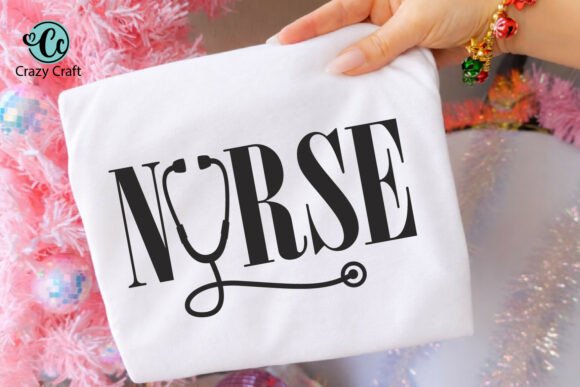
Stethoscope Nurse SVG PNG Design Review
A Real Embroiderer’s First Look at This Medical-Themed Graphic
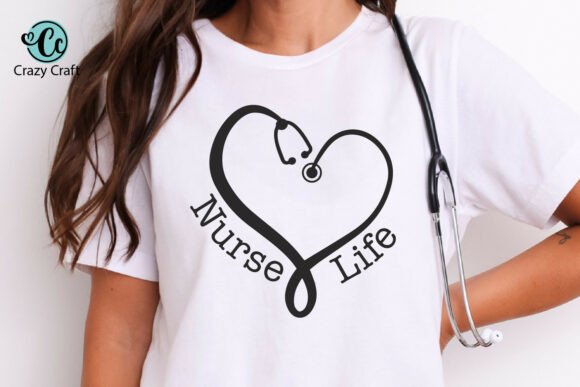
As someone who’s stitched nurse-themed designs on everything from scrubs to baby blankets for over a decade, I opened Stethoscope Nurse Svg Png, Nurse Design expecting clarity—and got something more nuanced. The first impression? Clean, respectful, and quietly confident—not cartoonish or overly sentimental. It reads as professional without feeling cold; gentle without losing authority. That balance matters—especially when you’re embroidering for RNs, nursing students, or medical support staff who wear their identity with pride.
Where It Shines: Practical Uses in Real Projects
I tested this design on a custom embroidered tote bag for a local clinic’s volunteer appreciation day. The layout—a centered stethoscope curling gently around a simplified but recognizable nurse silhouette—held up beautifully at 3.5 inches wide. No detail vanished in the satin stitch; the curve of the stethoscope tubing translated cleanly into smooth, flowing stitches. On midweight cotton canvas, it looked polished, not pixelated or “cut-and-paste.”
It works just as well on sweatshirt embroidery: the moderate height-to-width ratio avoids awkward stretching across ribbed fabric. For baby embroidery—think onesies or burp cloths—I’d scale it down to 2.25 inches and simplify thread colors (navy + cream instead of five shades), and it still reads instantly as “nurse.” As a tote bag design or apron motif, it adds quiet credibility—no shouting, no clichés. And yes, it holds up in printable mockups for Etsy listings: clean edges, consistent line weight, and strong negative space make it easy to visualize on mugs, tea towels, or even small patches.
Where Caution Is Needed—Not Flaws, Just Realities
This isn’t a one-size-fits-all embroidery file. On thin fabrics like lightweight poplin or stretchy jersey, the outer contour lines can blur unless stabilized properly—so use cutaway stabilizer, not tear-away. On dark fabric, avoid light gray thread for fine details; switch to off-white or pale yellow for legibility. And if you’re stitching on curved surfaces—caps or structured hats—test the hoop size first: the design’s subtle width variation means it may need repositioning to avoid distortion near the crown seam.
Small hoop sizes (under 4x4 inches) will work, but only if you’re okay trimming minor outer elements—like the faintest tip of the stethoscope earpiece. Tiny lettering isn’t present here (a plus), so no running stitch micro-details to vanish in fill areas. Still, inspect the junction where the stethoscope meets the nurse figure: some versions of this graphic group those layers tightly, which can create denser stitch overlap. That’s fine for a finished product meant for display—but for items that go through frequent washing (like kitchen towels or kids’ clothes), confirm stitch density isn’t excessive before finalizing.
How It Affects Your Handmade Product’s Perception
Customers notice intentionality—even subconsciously. A rushed or cluttered nurse design reads as generic. Stethoscope Nurse Svg Png, Nurse Design reads as considered: balanced proportions, thoughtful spacing, and visual breathing room. That translates directly to perceived value. When used on personalized gifts—say, a graduation sweatshirt for a new RN—it feels like a meaningful keepsake, not mass-produced clip art. For boutique branding or small shop merchandise, it supports consistency without demanding total uniformity: pair it with soft blues, charcoal grays, or warm terracottas and it adapts naturally.
Designer Notes You’ll Actually Use
- Always test on scrap fabric first—especially with textured weaves like linen-look tea towels or looped terry cloth.
- Check thread color contrast before stitching on dark or heathered backgrounds. What looks crisp on screen may mute in wool-blend thread.
- Review stitch density in your embroidery software—if fill areas feel heavy, reduce density by 5–8% for breathable wearables.
- Confirm hoop size compatibility before digitizing or sending to production. Not all machines handle tight curves the same way.
- Inspect small details at actual stitch-out size: does the stethoscope bell retain definition? Does the nurse’s profile read clearly at 2 inches?
- Test black-and-white mockups—this design relies on shape, not color, so grayscale previews reveal true clarity.
- Compare light vs. dark fabric backgrounds in your design workflow. Some SVG exports lose subtle outlines when inverted.
- Use proper stabilizer: cutaway for knits, medium-weight tear-away for stable wovens, and fusible for lightweight linens.
- Verify licensing before selling finished products or digital embroidery files—especially if marketing as “RN Nurse Life” or “Medical Assistant PNG” assets.
Final Thought: A Solid, Human-Centered Design Asset
This isn’t flashy. It won’t go viral for its novelty. But as a machine embroidery design, Stethoscope Nurse Svg Png, Nurse Design delivers what working designers and craft business owners actually need: reliability, adaptability, and quiet professionalism. It fits seamlessly into custom apparel, holiday embroidery for healthcare workers, embroidered patches for student organizations, and nursery decor that honors caregiving without infantilizing it. Whether you’re an Etsy seller curating a thoughtful collection or a small shop owner building brand trust through handmade product integrity—this is the kind of design asset that earns repeat customers, not just one-time clicks. Just remember: great embroidery starts with smart prep—not just pretty pixels.