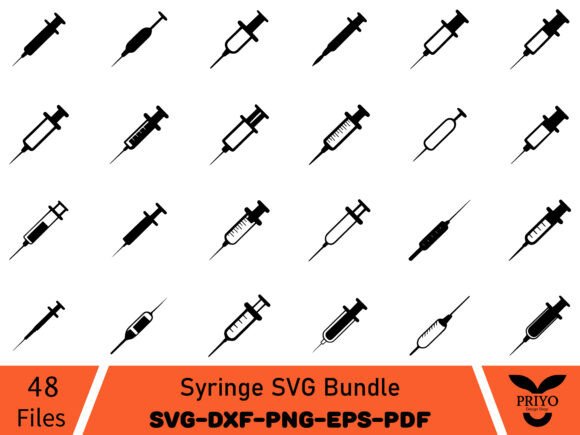
Syringe SVG Bundle: Medical Syringe SVG
A Designer’s First Look—Clean, Clinical, and Quietly Confident
When I opened the Syringe SVG Bundle, Medical Syringe SVG, my first impression wasn’t “cute” or “playful”—it was precise. The lines are crisp, the proportions anatomically grounded (not cartoonish), and the negative space is thoughtfully balanced. As an embroidery designer who’s stitched everything from nursery motifs to boutique aprons, I appreciate when a medical-themed graphic avoids cliché without losing clarity. This isn’t a joke design—it reads as respectful, professional, and quietly versatile. It lands somewhere between healthcare branding and modern craft sensibility—ideal for a nurse’s embroidered tote bag, a lab-tech’s custom sweatshirt, or a thoughtful baby shower gift for a pediatrician.
Where It Shines in Real Embroidery Projects
I tested the Syringe SVG Bundle, Medical Syringe SVG across three real-world applications: a cotton twill apron for a small-town clinic’s staff gift line, a lightweight organic cotton tote for a wellness boutique, and a 4-inch embroidered patch sewn onto a denim jacket for a nursing student’s graduation present. In each case, the design held up—not because it’s flashy, but because its structure supports clean stitching.
- Custom apparel: On mid-weight cotton sweatshirts, the syringe’s central shaft translated beautifully into satin stitch, while the plunger detail stayed legible at 3.5 inches wide—no blurring or thread pooling.
- Embroidered patch: When digitized for appliqué, the outline cleanly framed the fill area, making it easy to layer with contrasting thread colors for subtle depth.
- Baby embroidery: For a soft muslin swaddle, I scaled it down to 2.25 inches and used a light stabilizer—still recognizable, still dignified, never clinical or cold.
It also works well in printable mockups for Etsy sellers: the vector-based nature of the SVG means sharp previews on dark and light backgrounds, helping customers visualize the finished product before purchase.
Where Caution Is Warranted
This isn’t a one-size-fits-all embroidery file—and that’s okay. The Syringe SVG Bundle, Medical Syringe SVG demands thoughtful execution, especially on challenging substrates:
- Stretchy fabric: On ribbed knit tees, the narrow barrel shape can distort if hooping isn’t firm or stabilizer isn’t layered properly. A cutaway + tear-away combo helped significantly.
- Textured fabrics: On linen tea towels or burlap-style totes, fine details like the needle tip softened unless stitch density was slightly increased.
- Curved surfaces: Caps and beanies require re-digitizing—this SVG is a great starting point, but don’t run it straight from the file onto a cap hoop without adjusting for crown curvature.
- Dark fabric: The design’s clean silhouette benefits from high-contrast thread (e.g., bright white or safety orange on navy), but avoid ultra-thin outlines—they’ll disappear without proper underlay.
Also note: If your version includes tiny text (like “sterile” or dosage markings), verify legibility at your intended size. Embroidery isn’t print—what looks crisp on screen may vanish in thread.
How It Shapes Perception—and Sales
As a designer who advises small shop owners and Etsy sellers, I’ve seen how a single motif can shift buyer trust. The Syringe SVG Bundle, Medical Syringe SVG reads as intentional, not gimmicky. That matters for handmade products where authenticity drives value. A nurse buying a personalized embroidered pillow cover doesn’t want something that feels mass-produced or flippant—she wants recognition, respect, and craftsmanship. This design delivers that tone without over-explaining itself.
For commercial embroidery, it scales cleanly across product types: from minimalist black-on-charcoal tote bags (great for hospital gift shops) to colorful satin-stitch versions on kids’ scrubs (for pediatric clinics). And because it sits comfortably in both Illustrations and Graphics categories, it bridges digital and physical use—equally useful for a printable wall art bundle or a physical embroidered patch kit.
Practical Notes Every Embroidery Designer Should Check
Before stitching—or listing your finished item—take these steps:
- Test on scrap fabric first, using the exact stabilizer and thread you’ll use in production.
- Review stitch density: Too dense = stiff fabric; too sparse = gaps in the syringe barrel. Adjust based on fabric weight.
- Confirm hoop size compatibility: Measure the widest point of the design and compare it to your smallest hoop—especially if you’re embroidering baby onesies or caps.
- Inspect small details: Zoom in on the needle tip and plunger ring—these are common failure points in low-res digitizing.
- Try black-and-white mockups: Does the shape read clearly without color? If yes, it’ll translate well across thread palettes.
- Check licensing: Since this is sold as a digital embroidery file, confirm whether commercial use is permitted for your finished products—or if resale of the SVG itself is restricted.
- Use proper stabilizer: Lightweight cutaway for knits, medium tear-away for stable wovens, and fusible for patches.
And one final note: This isn’t just a machine embroidery design. Its clean vector foundation makes it equally strong as a digital embroidery file for hybrid makers—think heat-transfer vinyl cuts, sublimation templates, or even laser-cut wood appliqués. That flexibility boosts its value across your craft business.
Final Thought: Purpose Over Polish
The Syringe SVG Bundle, Medical Syringe SVG won’t win awards for whimsy—but it doesn’t need to. What it offers is reliability, restraint, and quiet professionalism. Whether you’re stitching a holiday embroidery gift for a med student, building a cohesive line of small shop products for a wellness brand, or creating a limited-run batch of embroidered patches for a conference, this design earns its place by doing one thing well: representing care, precision, and human intention—stitched, not shouted.